
Identifying Wood Destroying Organism Activity and Conducive Conditions.
Wood-destroying insect inspection is detail-driven work. Insects often enter through concealed pathways and establish activity in areas most people don’t routinely access or recognize. Identifying entry conditions, active sites, and related damage requires a thorough inspection of accessible areas, along with pattern recognition developed through training and field experience.
Not All Home Inspectors Are Licensed Structural Pest Inspectors
Prior to the 2008 Home Inspector Licensing Act, a Structural Pest Inspector (SPI) license was the only professional licensing credential a home inspector held. After the state introduced a formal Home Inspector license, the SPI license became an optional credential.
This created a division of regulatory authority. Non-SPI home inspectors may only report rot or conducive conditions and must refer identification of wood-destroying insects or related damage to a WSDA-licensed Structural Pest Inspector or operator.
State Licensing vs. Association Certification
 WSDA state licensing is maintained through annual renewal and recertification cycles, completed by approved continuing education credits or retesting. Specific insurance is required.
 Association certifications are voluntary credentials issued by private organizations; requirements vary by association and typically do not include WDO-specific continuing education, renewal, or insurance/bonding.
Meeting Lender Requirements
If a WDO or WDI inspection report is required for a real estate transaction, refinancing, or lender requirement (often documented on an NPMA-33 form), it must be completed by a licensed Structural Pest Inspector (SPI). Not all loans require a WDO or WDI report, and some only require one if the appraisal notes a concern. Confirm requirements with your lender or agent.
What Is a WDO
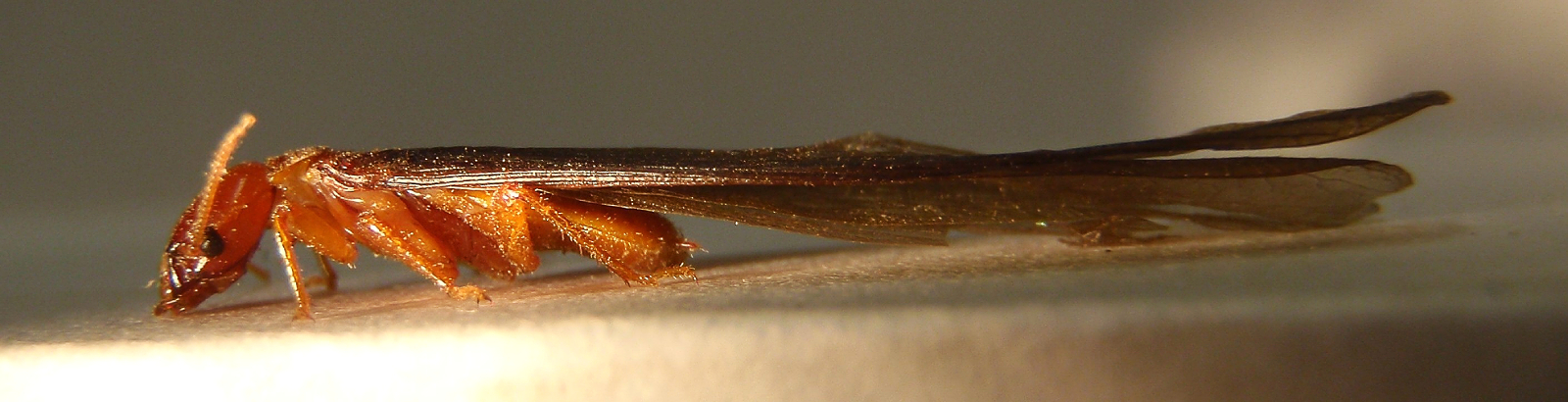
- Termites: (western subterranean & pacific damp wood)
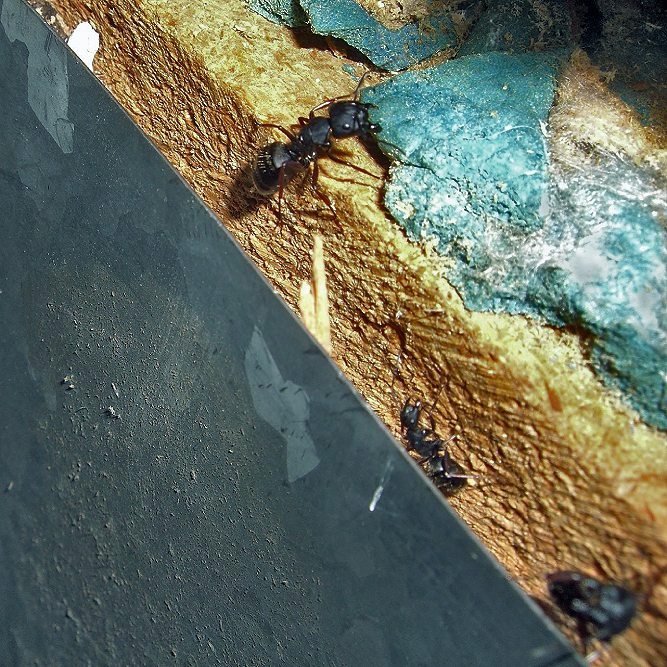
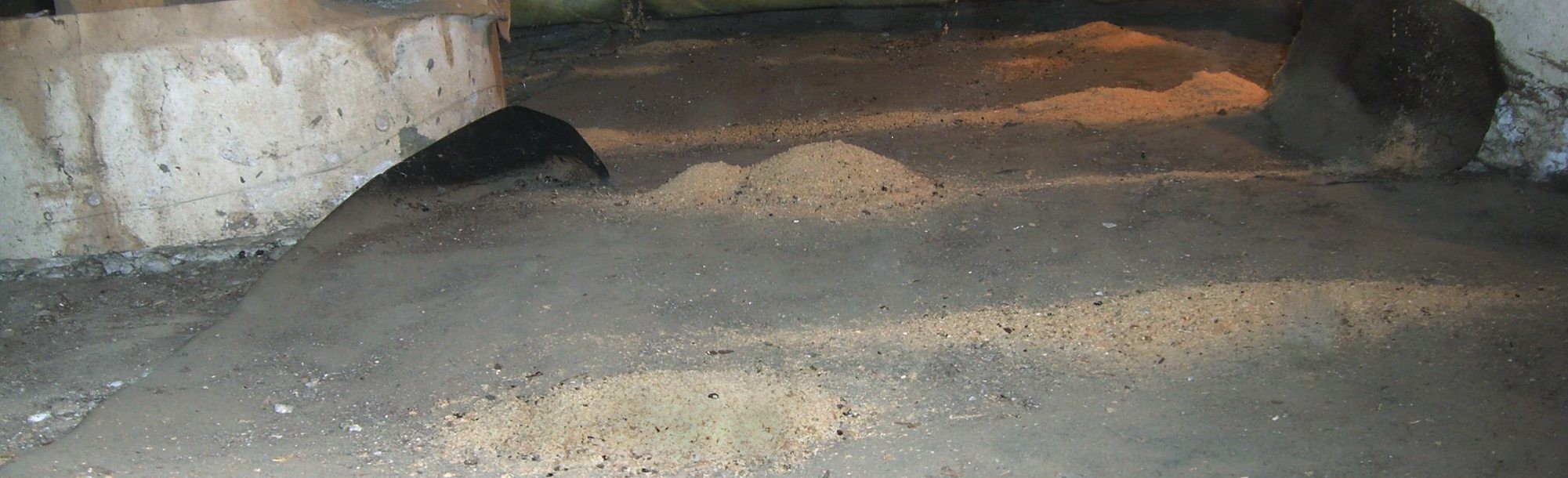
- Ants: (carpenter ant, moisture ant, velvety tree ant)
- Wood-boring beetles: (Anobiids, Lyctids, Bostrichids, Buprestids)
- Carpenter bees
- Fungal decay/wood rot: (brown rot, white rot, soft rot) driven by elevated moisture.
Moisture conditions that support WDO activity (conducive conditions), such as: (Wood-to-soil contact, inadequate clearance to grade or concrete, chronic leaks, poor drainage, standing water, high crawlspace humidity/limited ventilation where moisture is not controlled)
What Is NOT a WDO
- Mold or mildew on surfaces (may indicate moisture, but not a wood-destroying organism by itself)
- Drywall/finish fungi or staining on non-wood materials
- Cosmetic surface staining without verified decay
- Non-structural wood pests (nuisance ants, rodents, spiders, wasps, flies, etc.)
- Mechanical damage to wood (impact, cutting, abrasion) not caused by insects/decay
- Weathering or checking of exterior wood that is not decayed
Most Common WDOs Found in Clark County (And the Surrounding PNW)
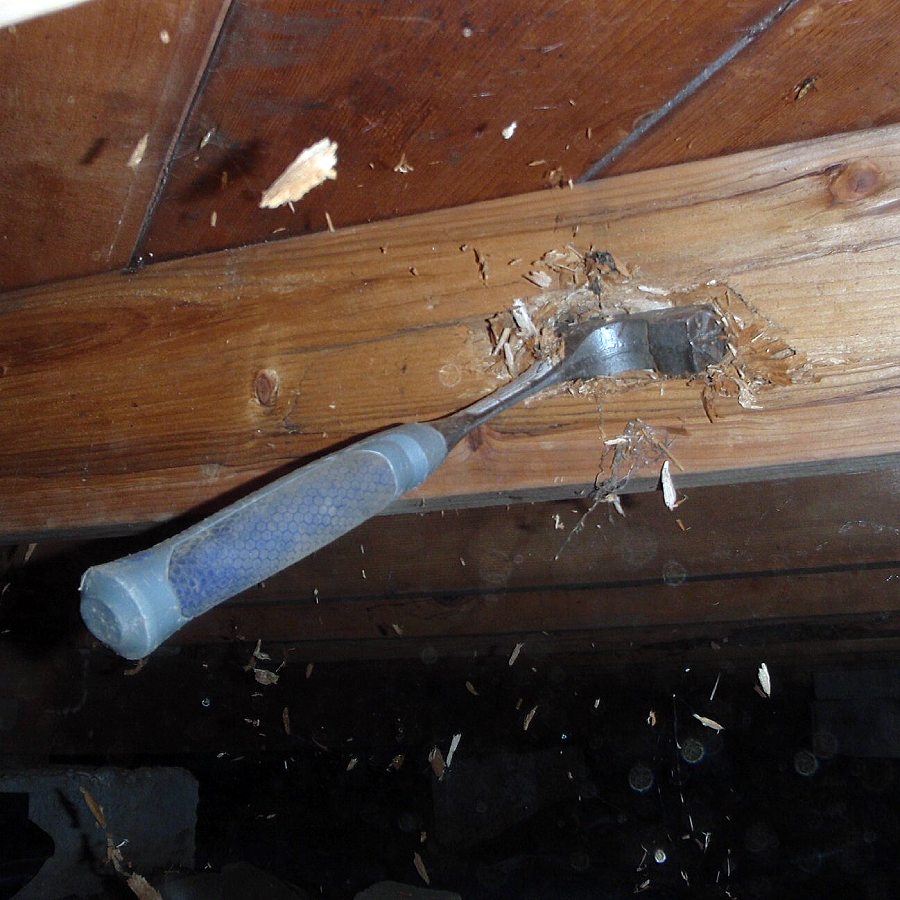
- Carpenter ants: These ants don’t consume wood; they excavate it to build nesting space, most often in damp or previously moisture-affected wood. Over time, this can compromise framing and sheathing if conditions persist.
- Wood decay fungus (rot): Fungal decay is widespread in this moisture-prone climate and is driven by elevated wood moisture. It’s often the underlying condition that makes wood more attractive or accessible to wood-destroying insects.
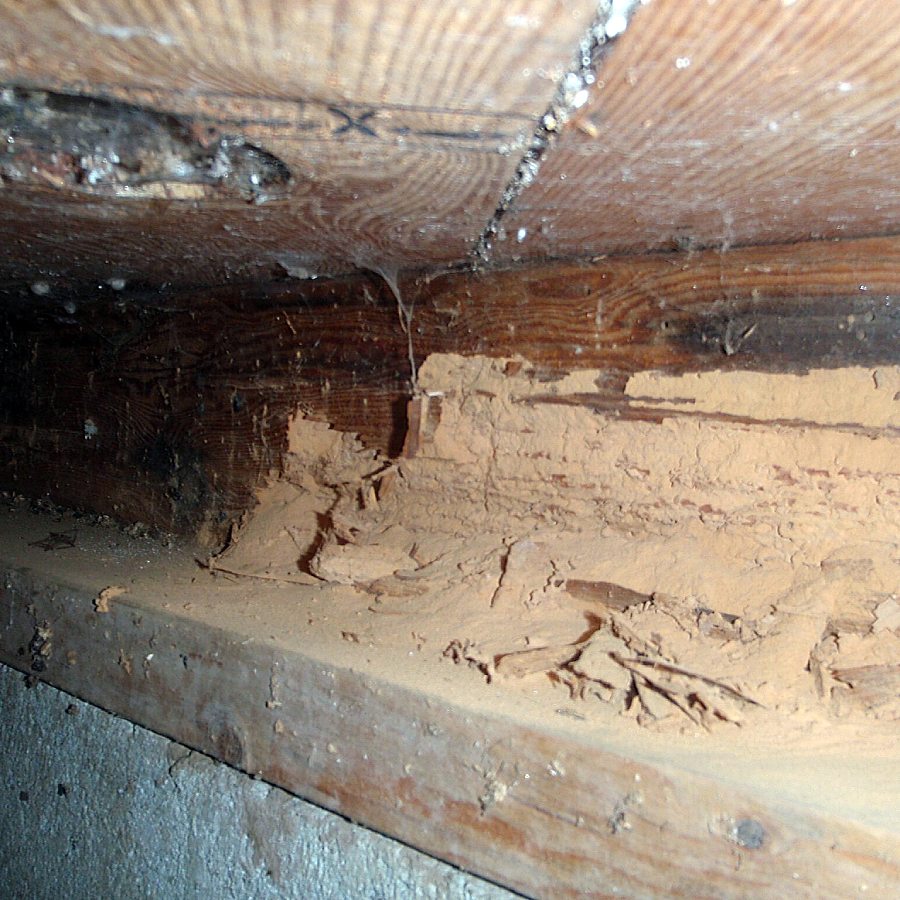
- Dampwood termites: A common termite type in western Washington; they typically infest wood that is persistently wet or already decaying, rather than dry, sound framing.
- Anobiid beetles: Wood-boring beetles are associated with elevated humidity conditions due to moisture or reduced ventilation; activity is most often found in crawlspaces and can affect structural framing. Eggs are laid on or in wood and hatch into larvae that tunnel internally; adults may not emerge until years later, so visible exit holes can reflect past or current conditions.
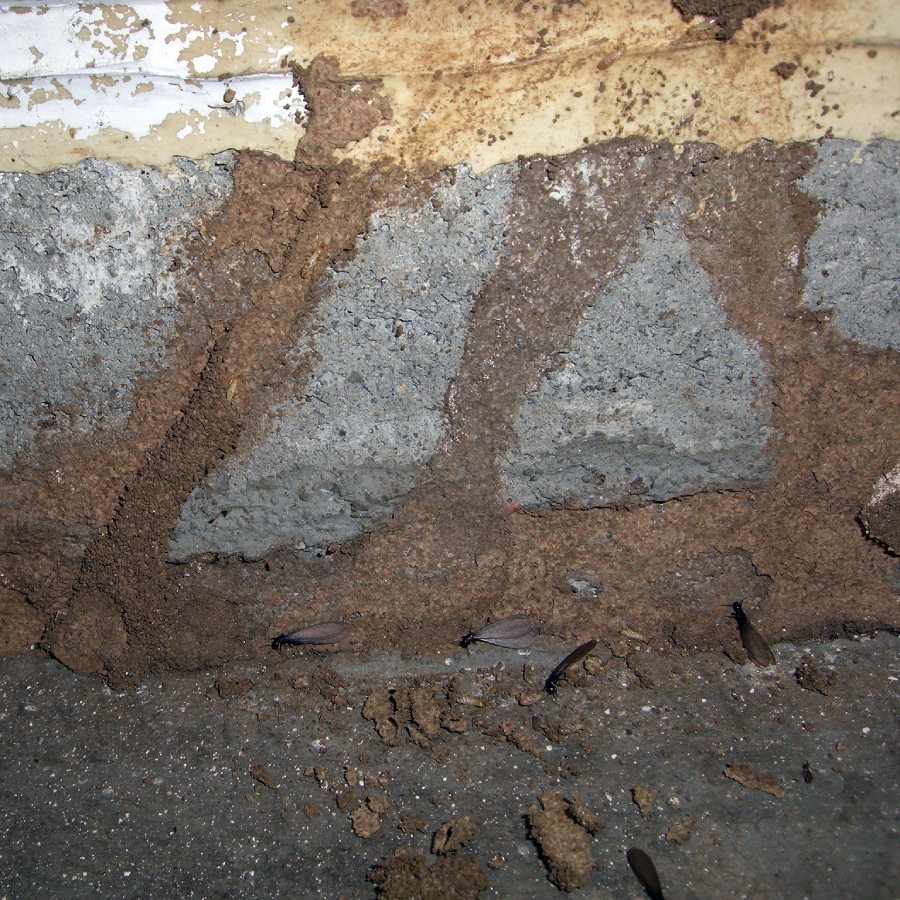
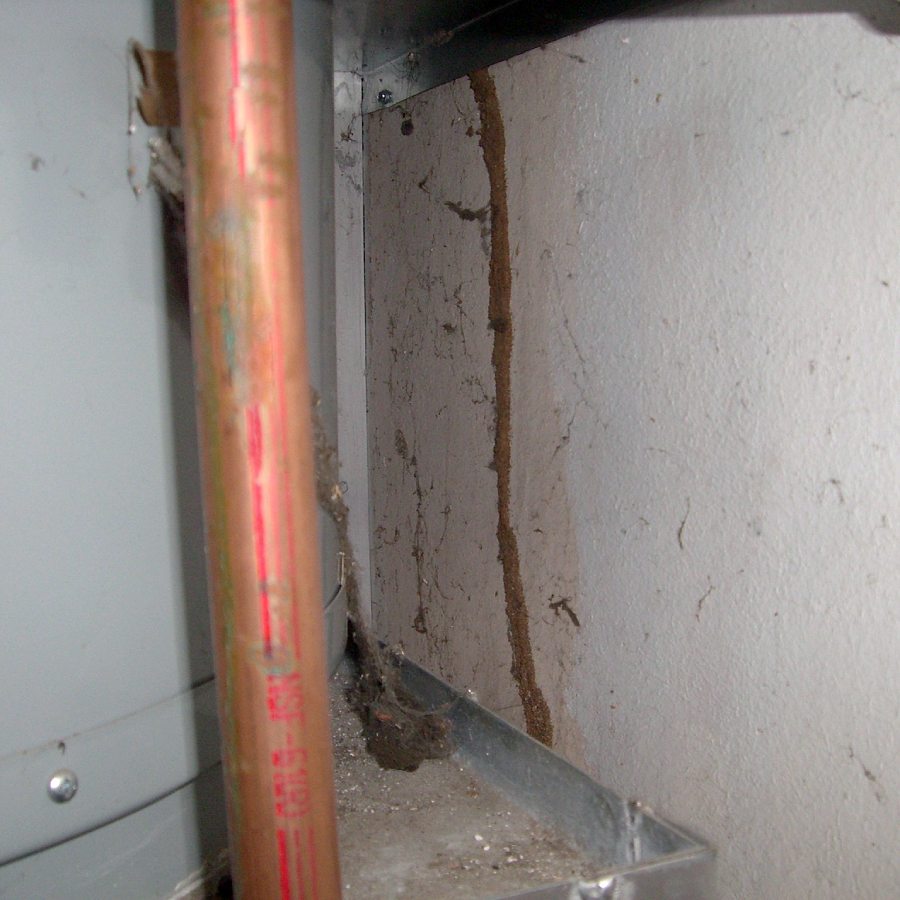
- Subterranean termites: Although less common than other wood-destroying organisms, they are occasionally encountered in the Pacific Northwest, including Clark County.
Lender Required WDO/WDI Inspection—FAQ
If you find rot, do I have to fix it?
Not always. If the finding is a conducive condition, mitigation is typically the priority (moisture control, clearance, drainage). If there is active structural decay, repairs are commonly recommended, and a lender may require correction before closing depending on the transaction.
Do you offer pest treatment or spraying?
No. To avoid a conflict of interest, I do not perform treatments. I provide a neutral, third-party inspection and documentation so you can choose a qualified remediation contractor based on scope and pricing.
Can a regular home inspector do this?
Not in Washington unless they are also a WSDA-licensed Structural Pest Inspector (SPI). Washington law limits non-SPI home inspectors to reporting rot and conducive conditions and requires referral for identification of, or damage by, wood-destroying insects and complete WDO reporting.
If you submit a Clear WDO finding, does that mean there are no issues?
No. “Clear” means no visible evidence was observed in accessible areas at the time of inspection. It’s a snapshot, not a warranty; concealed conditions, seasonal/dormant activity, or future moisture changes can limit what is visible today or allow activity to develop later.
Industry Term Definitions
WDO (Wood Destroying Organism): Includes wood-destroying insects and wood decay fungi (wood rot).
WDI (Wood Destroying Insect) Limited to insect activity only. Lenders typically request a WDI inspection rather than a full WDO evaluation.
SPI (Structural Pest Inspector) In Washington State a WSDA license is required to conduct structural pest inspections and issue WDO/WDI reports
Contact or Schedule a Lender-Required Pest & Dry Rot Inspection
Geek Note: “Dry Rot” Is a Myth in the PNW;
Moisture is a requirement for wood decay to occur. The term is simply a nickname for fungal decay (white rot, brown rot, soft rot) that has left the wood looking dry and crumbly after the actual moisture event has passed.