One of the Home’s Highest-Impact Concealed Systems
When I began inspecting homes, sewer scopes were already common in Portland as part of buyer due diligence. In Vancouver, they were rarely requested, and I often heard, “Why would we do that?” Over time, and through education, it has become a more common practice. A sewer scope is typically a low-cost, high-value inspection.
Why a Sewer Scope Matters in the PNW
The Out-of-Sight Risk
A standard home inspection generally stops at the point where the building drain exits the foundation. That creates a blind spot for buyers because the main sewer lateral is buried and not visible.
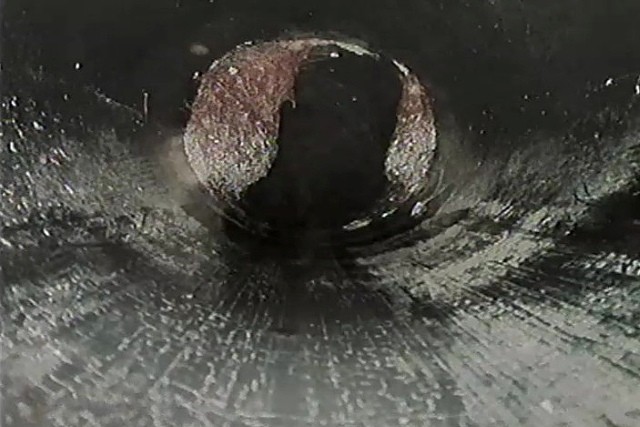
Inside the home, we can verify that fixtures drain and toilets flush. Those functional checks do not confirm the condition of a pipe buried two to twenty feet underground. A sewer line may appear to function while exhibiting significant root intrusion, offsets, deterioration, or localized structural damage that has not yet caused a backup.
Unlike many repairs that can be planned over time, a sewer failure often becomes an urgent service event. Because the line is buried beneath the yard, driveway, sidewalk, or street, repair costs are primarily driven by excavation and surface restoration. In our region, full replacement costs vary widely depending on location, depth, access, proximity to other infrastructures, and surface restoration.
Local Soil and Vegetation
Our local geology is not uniform. While many areas in Clark County sit on stable gravels, other pockets include silt and clay lenses that respond to seasonal moisture. Settlement, saturation, and soil movement can stress joints, contribute to misalignment, and create bellies that hold water and accumulate debris.
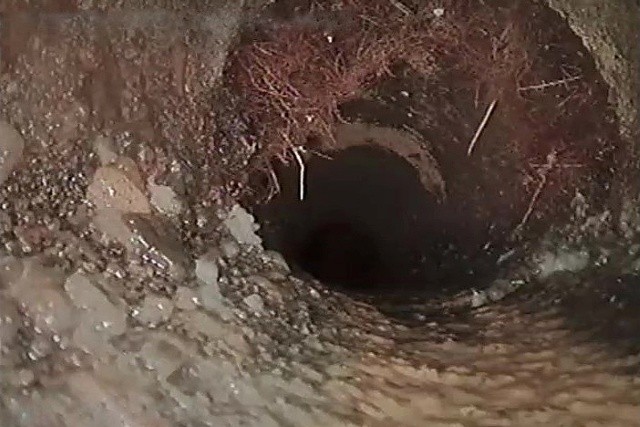
Vegetation also plays a role. Even minor openings at joints or small defects can allow roots to follow moisture into the line. Once established, roots become an ongoing maintenance issue. Cutting roots can restore flow temporarily; recurring intrusion will occur if the underlying entry point remains. Eventually, roots always win this battle.
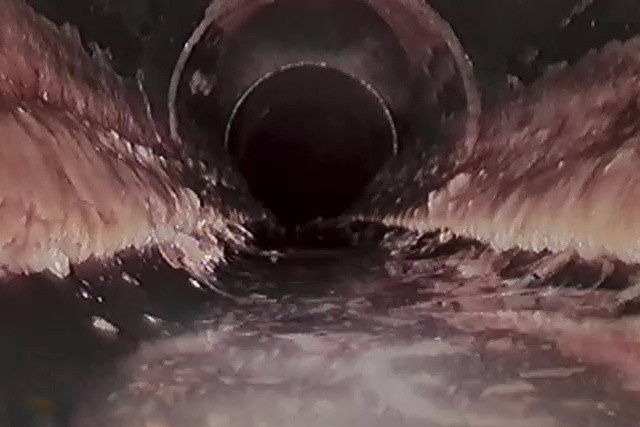
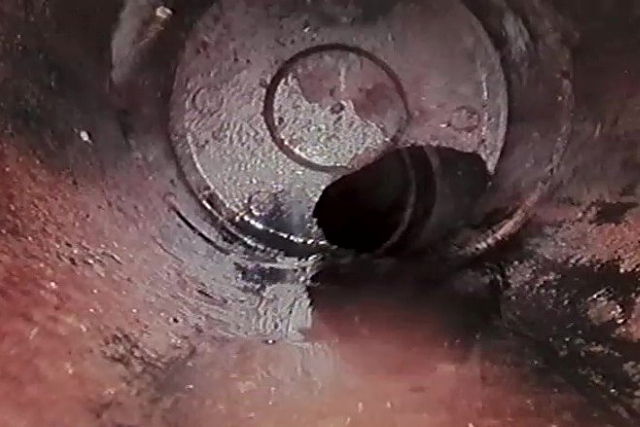
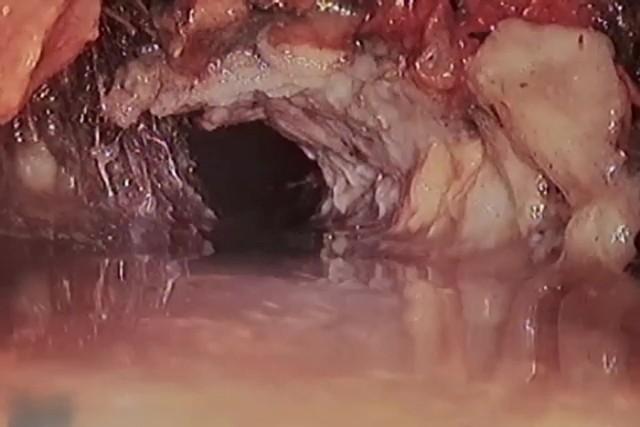
The only way to reduce risk is to see the inside of the pipe for yourself. A professional sewer scope provides the visual evidence needed to move forward with confidence.
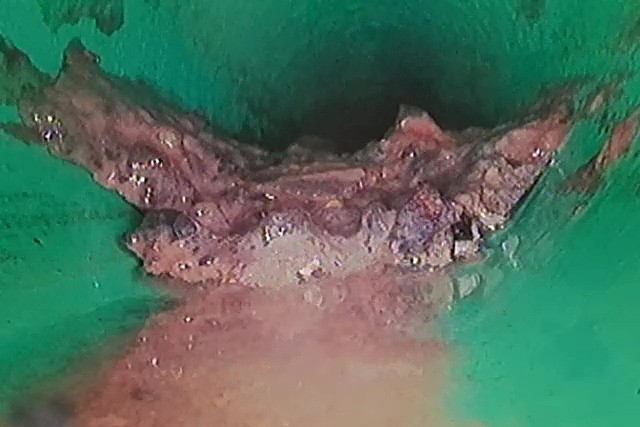
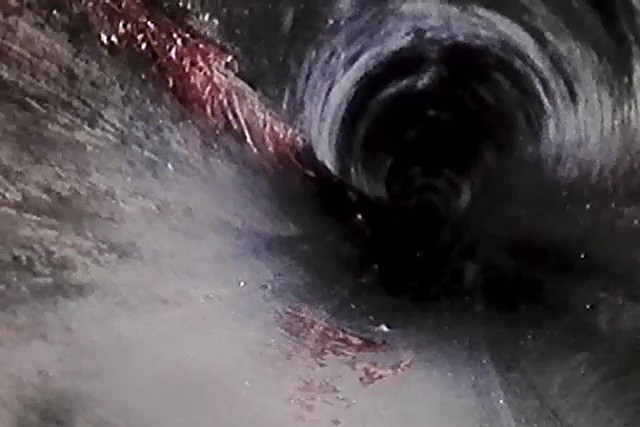
Equipment and Locating Capability
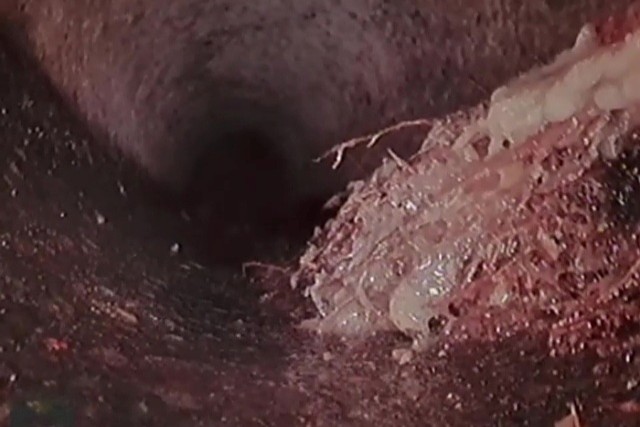
Not all sewer scopes are performed with the same tools or approach. Many cameras capture video without the ability to locate the problem at ground level. Location matters because repairs under a driveway, sidewalk, landscaping, or street can change the scope and cost of the repair.
For client clarity, we use professional-grade, self-leveling, high-definition color cameras with locating capability to document and map notable defects as precisely as conditions allow. We continue upgrading equipment as better options become available to maintain a high level of service.
What You Will Receive from a Sewer Scope Inspection
Your sewer scope report typically includes:
- Pipe materials.
- Descriptions of observations and any notable defects.
- Photos of defect locations.
- Practical recommendations for maintenance, service, repair, or replacement.
- A link to view the sewer video yourself.
The New Construction Assumption
New homes can benefit from a sewer scope. It is common to see multiple pipe materials because infrastructure is installed in phases. Developers install a lateral stub to each lot. During construction, the builder connects the home to that stub. Routing is not always the most direct path to the main, and grade control or bedding quality can vary.
During construction, heavy equipment and site work can affect buried piping. If the lateral is shallow, poorly bedded, or not adequately protected, deflection, damage, or joint separation can occur. These issues are not reliably identified by running water inside the home.
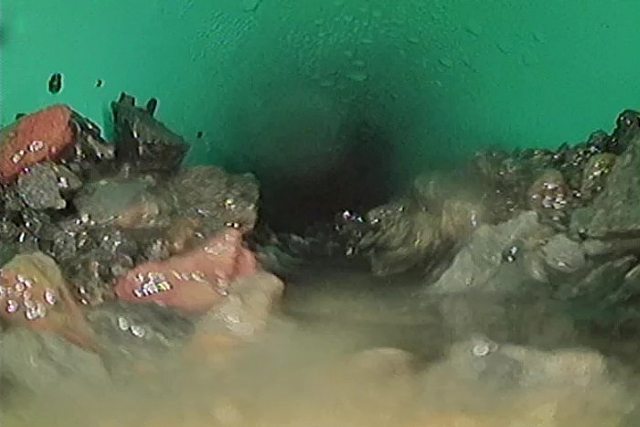
Foreign material in the line is also a real-world finding, even in new builds: construction debris, gravel, concrete/grout slurry, knockout plugs, and silt deposits can remain in the pipe and later contribute to blockage.
Identifying these conditions during the warranty period or before closing supports accountability for installation and faster resolution.
The Septic Tank Assumption
In Clark County, many homes are served by septic or hybrid systems. A common misconception is that a septic inspection covers the entire waste path from the house to the tank.
Many septic inspections focus on tank condition, capacity, and drain field performance. The buried pipe from the home to the tank (the building sewer line to the septic inlet) is often a separate blind spot. That pipe can experience the same risks as a city sewer lateral: root intrusion, settlement, offsets, or structural damage.
The tank inlet area can also be a stress point. If the pipe becomes restricted or fails before the tank, waste will not reach the tank, and backups can occur even if the tank was pumped recently.
Common Sewer Line Issues Found in Clark County, WA
Pipe Bellies (Standing Water)
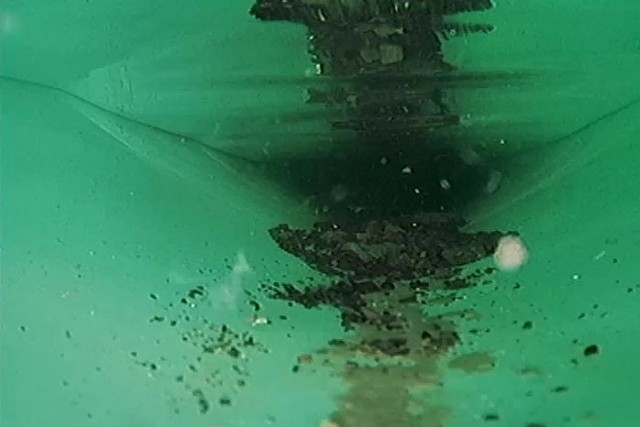
A belly is a low spot where the pipe has settled, and water can pool. Solids and grease accumulation often develop at these low points. Causes commonly include inadequate bedding, poor grade control, or soil consolidation over time.
Installation details matter. Inadequate bedding and poor grade control are common causes of bellies, including in new construction.
Grease Accumulation and Saponification
Grease is a typical “lifestyle” contributor to recurring restrictions. Over time, it can harden into a waxy, soap-like solid (saponification), especially where flow is slower or the pipe surface is rough. As the effective diameter narrows, tissue and solids can more easily catch, contributing to recurring soft blockages.
Deflection or Cracking
With modern plastic piping, out-of-round sections, distortion, or cracking can indicate prior loading or localized damage.
Offset or Separated Joints
When soil shifts or settles, rigid pipe sections can become misaligned. An offset can create a lip that traps waste and a pathway for root or soil intrusion. Ongoing erosion around the pipe can also contribute to additional settlement.
Cast Iron Scale and Tuberculation
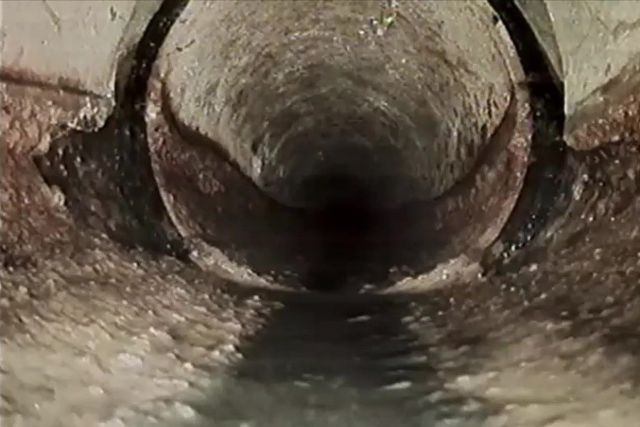
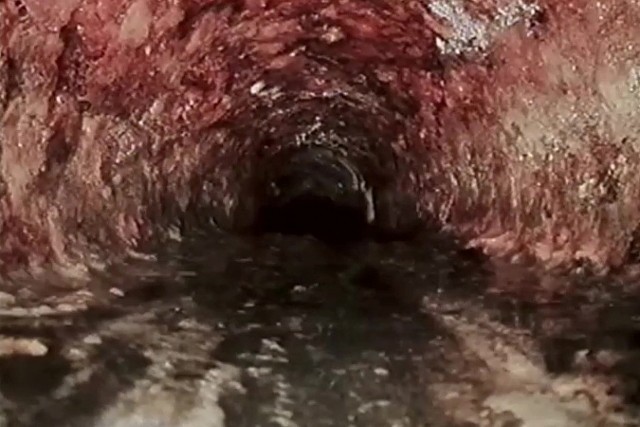
Many mid-century and historic neighborhoods still have cast-iron laterals. Cast iron can develop internal corrosion and scale, creating a rough interior surface and reducing the effective diameter. That roughness increases friction and can snag tissue and solids that would pass more easily through a smooth pipe.
Concrete Pipe Erosion
Homes attached to infrastructure installed before roughly 1970 often have full or partial concrete sewer laterals. Concrete can degrade over time. As the cement binder erodes, aggregate becomes exposed, increasing surface roughness and slowing flow.
Concrete pipes were installed in short sections with joints that can degrade. Joint failure can allow exfiltration (leakage), soil loss, and root intrusion, contributing to bellies or structural collapse.
Orangeburg (Fiber / Tar-Impregnated Pipe)
Orangeburg was used from the 1940’s through the early 1970’s as a low-cost alternative. It is prone to deformation, delamination, and root intrusion. When present, it is beyond its intended service life, and replacement is often recommended.