
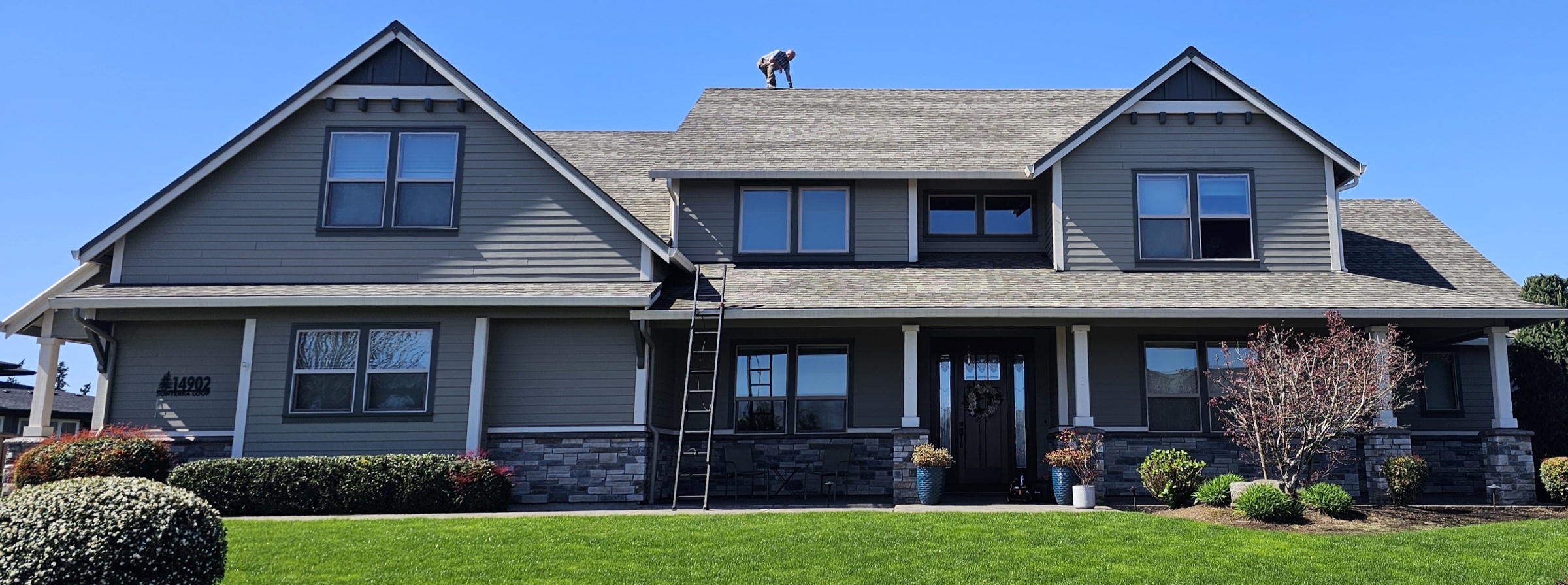
Where Experience, Education, and Clarity Drive Confident Decisions
What Is a Home Inspection
A home inspection is a careful evaluation of a home’s systems and components to identify material defects and performance issues.
The inspection looks at what is durable, what needs attention, and what warrants further professional review or repair.
Think of it like a visit with a primary care provider: the goal is to screen, identify concerns, prescribe actions, and recommend the appropriate specialist when conditions warrant.
What You Get Out of a Home Inspection Depends on Three Things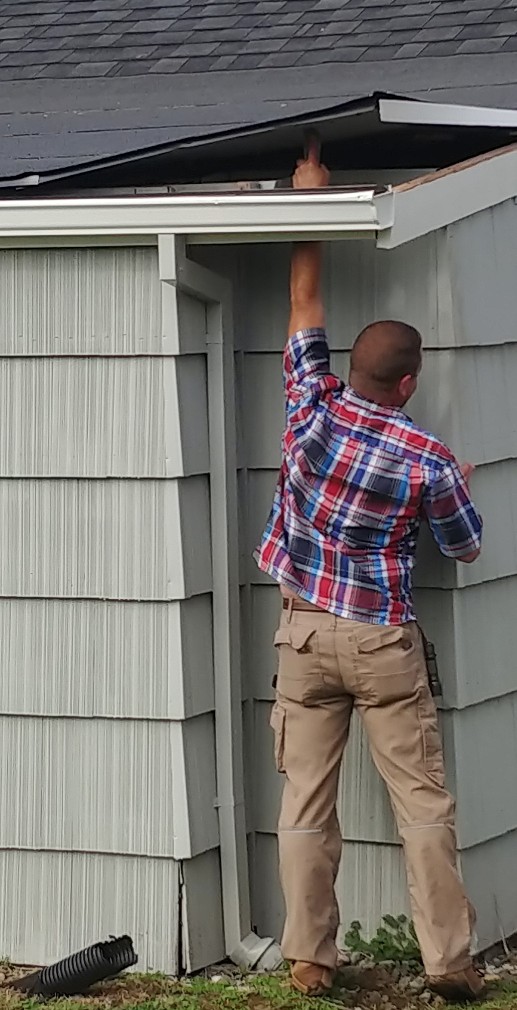
- The inspector’s drive and experience to uncover meaningful issues.
- Clear communication so findings are understood in plain language.
- An organized, actionable report with useful recommendations for planning next steps.
If any one of these is weak, the inspection becomes harder to use for confident decisions.
What I Do
I methodically evaluate each system, document conditions, and explain findings in context. I then produce a detailed, organized, easy-to-read home inspection report. You’ll have a clear understanding of what’s typical for the home’s age and construction characteristics, what’s significant, and what to prioritize now versus later.
What You Will Receive
- Clear, direct communication.
- Photo-forward reports designed for easy reference.
- Understandable priority ratings: Safety/Priority, Service/Repair, Maintenance/Monitor, Improve/Modernize
- Actionable narratives: What it is, why it matters, and what to do next.
- Findings explained in context: With practical implications.
- Summarized and categorized: Items grouped to plan repairs, support contractor estimates, and simplify follow‑up decisions or addendums.
Client First
My obligation is to the client and the condition of the home. Findings are presented plainly and prioritized based on risk and consequence, independent of anyone’s preferred outcome.
I focus on signal over noise. Cosmetic items are noted when they indicate a larger concern (for example: movement, moisture, installation defects, or safety implications). The emphasis is on conditions that change decisions, budgets, or risk.
The goal is clarity: fewer unknowns, better prioritization, and decisions made with confidence.
The Home Inspection Process
- Arrival and Setup: I typically arrive early to begin the site and exterior evaluation and confirm access to the interior, attic, crawlspace, and service equipment.
- System Evaluation: I work through each system in a strategic order, documenting conditions, evaluating operation, and following physical indicators when they suggest a higher-risk concern.
- The Briefing: After the inspection is complete, I provide a plain-language review of the key findings and priorities so you leave with clarity on what matters most and what to do next.
- Report Timeline: Reports are often delivered the same day, always by early the following morning. I use that time to organize findings and write a property-specific report, avoiding generic, templated language.
Can You Attend the Inspection
Yes, please do, for as much of it as you wish. Most clients find the end-of-inspection briefing the most valuable. The purchase process often involves viewing many homes quickly, so the inspection is a good opportunity to spend more time in the house, take measurements, and think through how you’ll use the spaces. Occasionally, a client decides during the inspection that the home isn’t the right fit and chooses to move on. This is your time.
How Long Does the Home Inspection Take
Most inspections run about 2 ½ – 4+ hours. The house itself determines the duration. Whether it’s a 900-square-foot cottage or a 5,000-square-foot estate, the time I spend is determined by the complexity of the issues and the systems installed.
The other variable is the time you need to feel informed. Our post-inspection briefing is your opportunity to understand the home’s condition, whether that takes fifteen minutes or over an hour. My priority is to ensure you have the clarity to move forward, regardless of the time required.
If you can’t attend, I’m available to discuss the findings by phone—during the inspection window, or anytime questions come up later.
Are You Buying a New Construction Home
Are You Preparing to Sell Your Home
What Is Included in a Home Inspection
A comprehensive inspection evaluates the home’s major systems and components, including the elements below.
Site & Grounds
– Site grading & drainage
– Roof drainage & gutters
– Driveways & walkways
– Steps & railings
– Retaining walls
Exterior Elements
– Roofing & flashings
– Siding & exterior trim
– Windows & doors
– Porches, patios, & decks
– Chimneys & penetrations
Structure
– Foundation
– Floor structure
– Wall structure
– Roof framing
– Basic structural elements
Heating & Cooling
– Heating System
– Air conditioning
– Ductwork & distribution
– Thermostat operation
– System performance
Plumbing
– Water & gas supply pipes
– Drain and vent pipes
– Fixtures and faucets
– Water heater
– Material characteristics
Electrical
– Service equipment
– Panels & breakers
– Outlets and switches
– GFCI & AFCI protection
– Branch circuit wiring
Ventilation
– Bathroom exhaust fans
– Kitchen ventilation
– Dryer venting
– Attic & crawlspace
– Whole-house ventilation
Life Safety Systems
– Egress/Ingress
– Smoke & CO alarms
– Fire separation
– Stair & guardrails
– Basic safety elements
Attic & Crawlspace
– Insulation levels
– Ventilation performance
– Moisture—humidity
– General conditions
Fireplaces & Solid-Fuel
– Fireplace & inserts
– Surround & clearance
– Damper/firebox
– Solid-fuel safety concerns
Kitchen / Bath / Laundry
– Sink, toilet, bathing basin
– Cabinets & countertops
– Appliance connections
– Built-in appliances
Interiors
– Door/window operation
– Walls & Ceiling—general
– Flooring in general
– Built in components
To further reduce purchase risk, a sewer scope and radon testing are commonly added to the home inspection.