Filling the Gap Between Code Approved and Correctly Executed
Why Passed Code May Not Be Enough
Permits and building code inspections are important for safety and basic health requirements. Even so, there are gaps in the process that an additional layer of quality control often reveals, and they vary house to house.
Code Is a Minimum Standard, Not a Quality Standard
A common misconception in new construction is that a Certificate of Occupancy is a seal of quality workmanship. In reality, building code is the legal minimum required.

Code Inspections Are Not Workmanship Inspections
A home can pass a checkpoint inspection while still deviating from installation specifications. When product installations vary from the manufacturer’s instructions, warranties can be impacted and service life reduced.
A new home can meet code and still have moisture pathways, airflow imbalances, or manufacturer-specific installation details that reduce durability—without presenting as a clear code issue.
Code Compliance and Home Inspections Serve Different—but Complementary—Roles
- Code enforcement answers: Does this meet the minimum legal standard?
- A home inspection also answers: How do systems perform, age, interact, and hold up over time?
Why Problems Can Still Exist After City Inspections
- Municipal inspections are checkpoint-based and time- and scope-limited; they typically verify required elements are present at that stage, not the quality of every installation detail.
- Trades overlap; a component can pass inspection one day, then be disturbed or damaged the next.
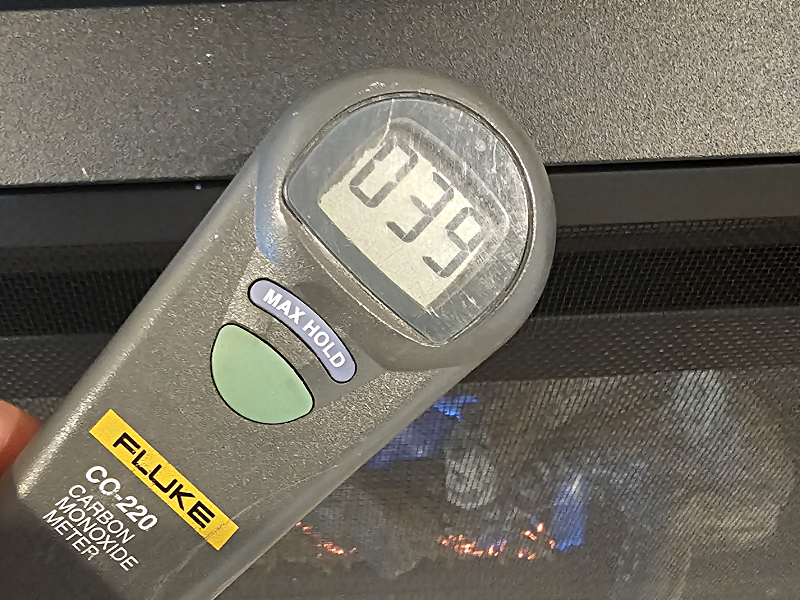
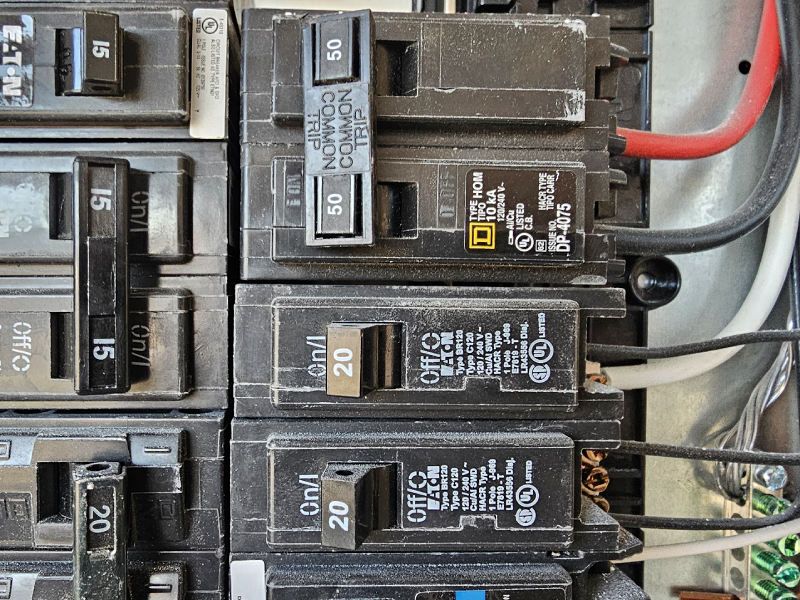
- Components can be added post-approval. EV chargers and AC equipment are a common add-on.
- Human oversight is a reality in any high-volume environment, which is why an additional layer of quality control adds value.
Existence vs. Execution
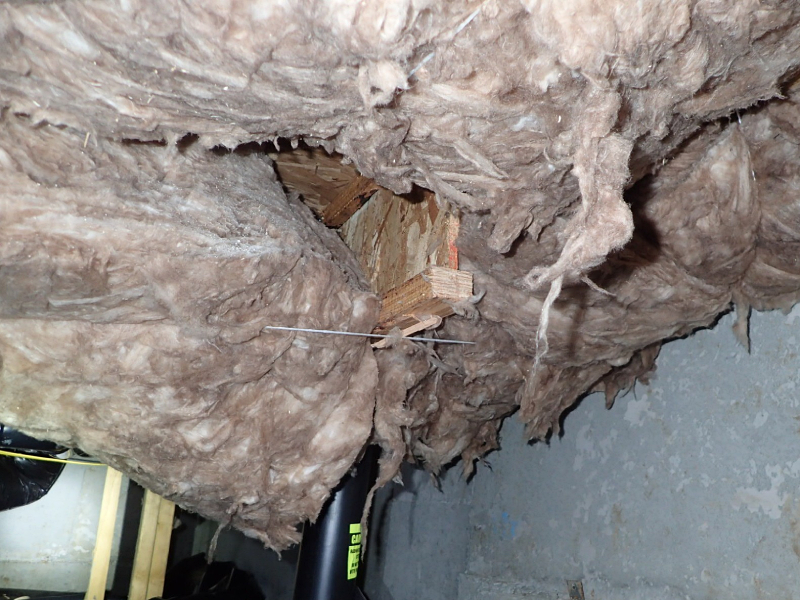
A home can “pass code” with high-nailed shingles, overdriven siding fasteners, or insulation blocking attic ventilation pathways.
Municipal Inspectors Typically Verify:
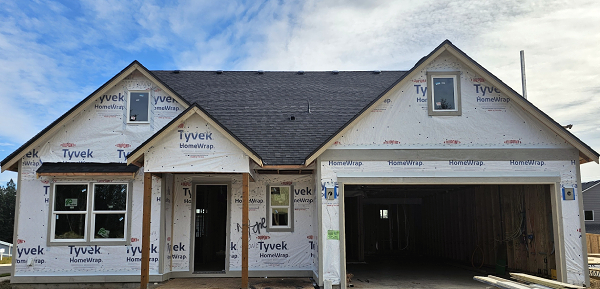
- Roofing was installed—NOT how it was installed.
- Siding was installed—NOT how it was installed.
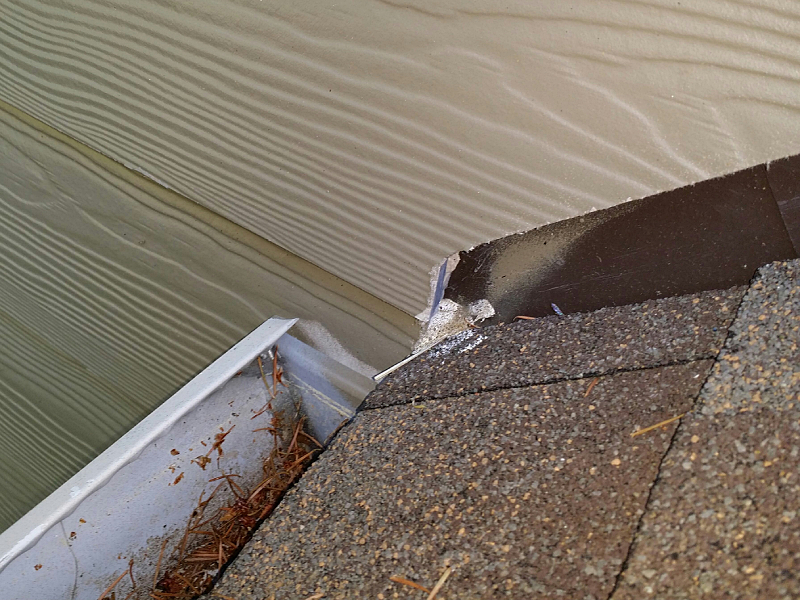
- Flashings are installed—NOT how they were integrated.
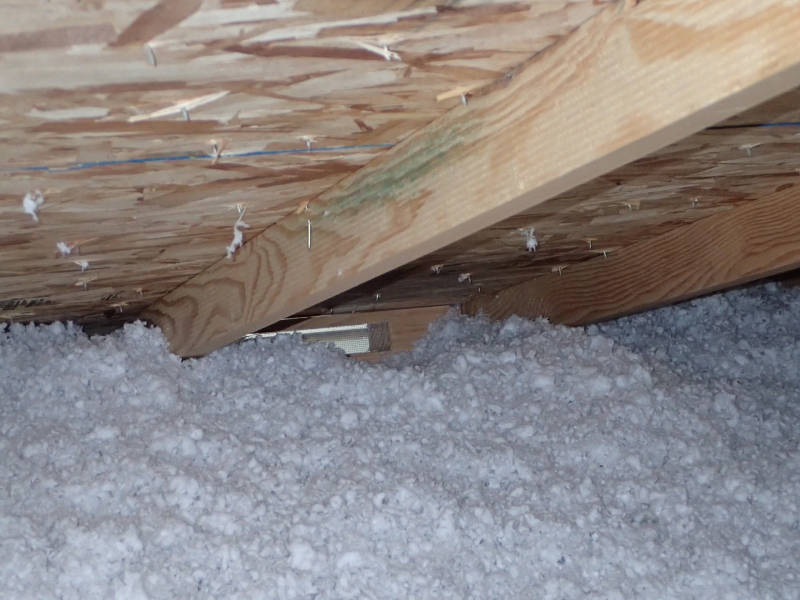
- Attic ventilation is installed—NOT whether airflow pathways remained intact after insulation.
- Plumbing is installed—NOT how it was connected.
- Electrical systems are present—NOT if the connections are secure.
- Drainage was installed—NOT if it’s adequate for the specific lot.
- Insulation was installed—NOT for uniformity or if voids and compressions have reduced effectiveness.
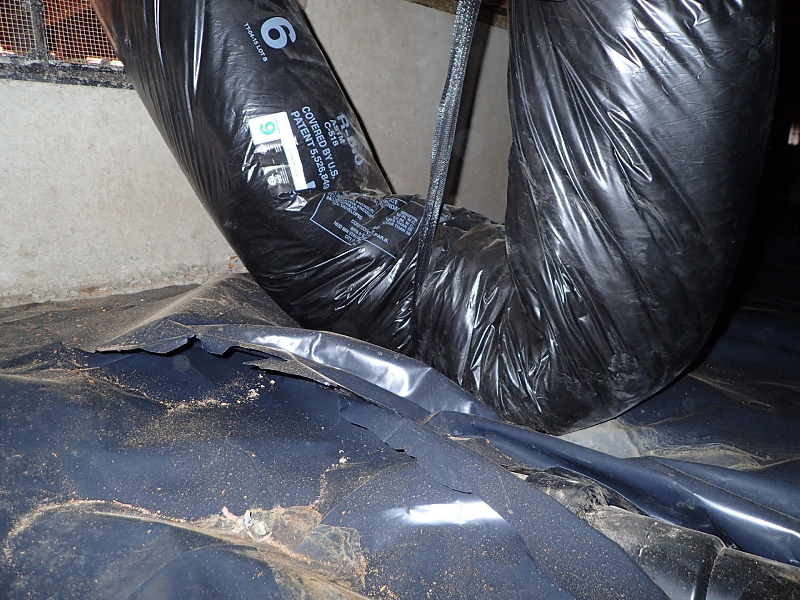
- Vapor barrier was installed—NOT whether seams and edges are extended to function as a durable moisture control layer.
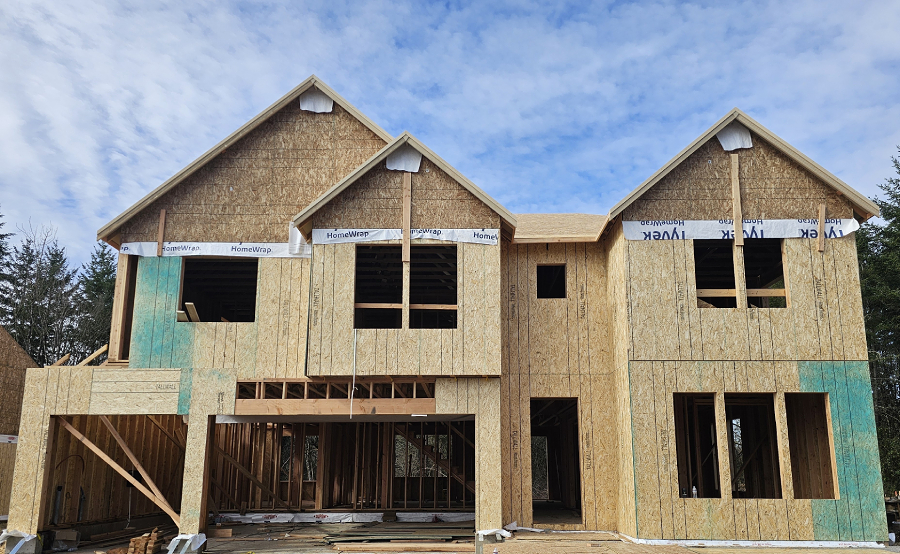
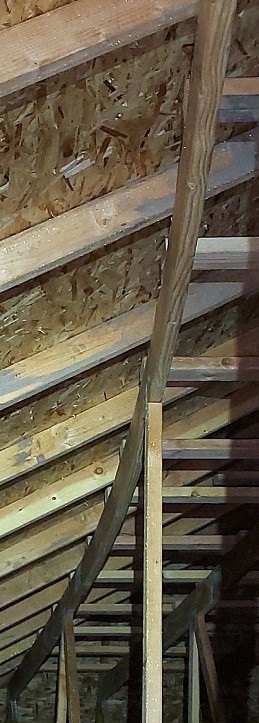 One of the more costly conditions documented in newer construction involved a three-year-old home with missing roof structural bracing. The support framing shifted, requiring structural correction.
Passing a code inspection means the minimum criteria were met for that checkpoint, not that every product was installed to optimal long-term performance standards. A home inspector’s role is to find the performance gaps between “Code Minimum” and “Professional Installation”. I evaluate what meets minimum requirements and what is likely to under perform over time.
How New Construction Is Evaluated
- Execution, not just presence: how components were installed and integrated, not simply that they exist.
- Sequencing and trade interaction: where one trade’s work affects another’s performance.
- Moisture pathways: details that influence water entry, drainage, and drying potential.
- Fastening and attachment trends: indicators of overdriven, misaligned, or inconsistent fastening that affect durability.
- Serviceability and access: whether systems can be maintained, serviced, and repaired without unnecessary disruption.
- Performance indicators: visible signs that systems may underperform despite appearing complete.
- Patterns, not one-offs: repeated details that suggest a systemic installation issue rather than a single oversight.
- Future maintenance exposure: conditions that increase maintenance frequency or shorten service life.
Establishing a Baseline
This inspection establishes a baseline record of condition. If concerns surface near the 11-month warranty point, earlier documentation helps distinguish original installation outcomes from later changes such as settlement, use, or seasonal movement, supporting clearer warranty conversations.
Will the Builder Fix Issues Found During a Home Inspection?
It depends on the builder and the warranty terms. A Certificate of Occupancy indicates the home has met jurisdictional requirements for occupancy. Because a home can be approved while still having details that affect durability or performance, my report is designed to support clear, informed conversations with your builder.
- Home inspectors have no authority to approve or fail construction.
- Home inspectors have no authority to enforce corrections.
- Home inspectors provide context, risk assessment, and documentation. Any resolution is ultimately between the buyer and the builder.
Code Approval Confirms Legality; Home Inspection Evaluates Execution
To further reduce purchase risk, a sewer scope and radon testing are commonly added to a new construction home inspection.
Schedule a New Construction Inspection →
Examples of Defects Found in New Construction