Home Inspection Repair Verification – Moving Beyond the Receipt
A reinspection verifies that negotiated repairs were completed and align with accepted industry practice prior to closing. It provides independent confirmation before the buyer accepts responsibility for the property.
 When a Reinspection Is Recommended
- Multiple repair items were negotiated
- Roof, structural, plumbing, or electrical repairs were performed
- Repairs involved moisture intrusion or concealed damage
- Work was completed shortly before closing
The Hidden Risk of Seller-Performed Repairs
Cosmetic vs. Corrective Repairs
Some repairs address the visible symptom rather than the underlying cause. A reinspection verifies that the repair aligns with the written scope and documents when conditions still require attention.
Documentation Is Not Performance
A contractor’s receipt confirms payment. It does not confirm workmanship, completeness, or effectiveness. Repairs may still be incomplete or substandard.
Contractor Accountability
When a seller hires a contractor, the contractor’s obligation is to the seller. If the work falls short, the buyer may have limited practical recourse with a contractor they did not hire.
A reinspection verifies the repair outcome while there is still time for follow-up.
Clear Repair Language Matters
Repair addendums should clearly describe both the defect and the intended outcome. Vague language invites interpretation, while overly narrow wording can unintentionally exclude related defects discovered during repairs.
Contractors typically perform only what the agreement specifies. Clear repair language reduces scope gaps, and a detailed home inspection report helps support that clarity.
Price Adjustments vs. Seller-Performed Repairs
In some situations, negotiating a price adjustment may be more effective than requesting seller-performed repairs.
An invoice does not confirm that the full condition was addressed. Some repairs are straightforward with a clear endpoint. Others involve concealed conditions that change once materials are opened. Contractors communicate discoveries and options to the party who hired them, and the final scope typically reflects what that party authorizes.
If a seller limits the work to the original agreement, additional defects may remain uncorrected and may become concealed again once finishes are reinstalled.
Example:
A request to “repair rotted window trim” may reveal decay extending into adjacent framing or issues with window or WRB integration. If the authorized scope remains limited to trim replacement, the underlying moisture-management issue may remain concealed when finishes are restored.
When feasible, obtaining detailed professional estimates and negotiating a price adjustment allows the buyer to control the repair scope and outcome.
Practices That Improve Repair Outcomes
- Provide clear repair scopes
Avoid vague requests. Clear documentation reduces interpretation and scope gaps. - Require qualified professionals
Use licensed, bonded, and insured contractors who specialize in the applicable trade. - Request itemized invoices
Itemized documentation helps verify scope, materials, and repair locations. - Specify like-for-like materials
Request materials and methods consistent with the original assembly performance. - Request before-and-after photos
Photos help document concealed work before it is closed. - Ask for the contractor closeout notes
A brief written summary describing repairs and any additional conditions discovered. - Verify transferable warranties
Confirm what transfers to the new owner and what does not. - Have an independent reinspection performed
A neutral third-party review verifies completion and outcome before closing. - Use payment retainage when possible
If the seller retains final the payment until reinspection verification, contractors remain incentivized to correct deficiencies.
What You Will Receive
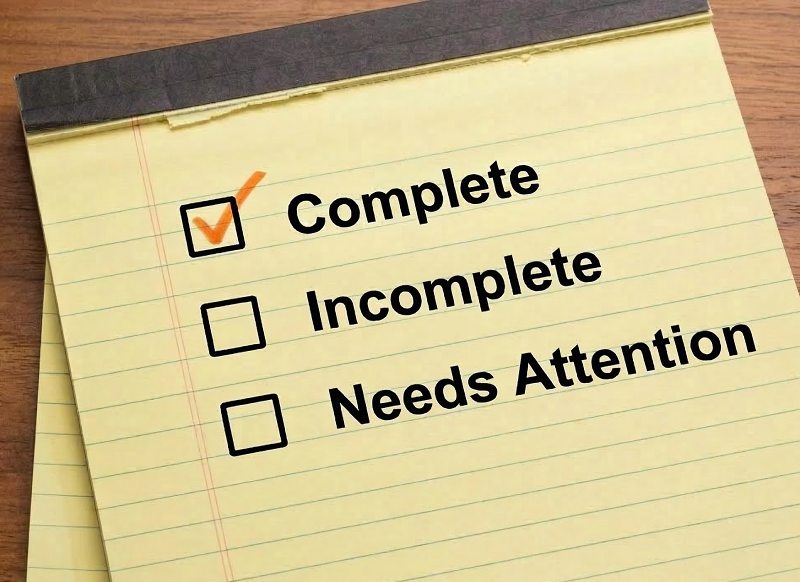
A reinspection report documents each repair request using three outcome categories:
- Complete
- Incomplete or Substandard—with explanation
- Does Not Meet Intent—with supporting documentation
What a Reinspection Is Not
- Permit verification or code compliance review
- Warranty or guarantee of contractor workmanship
- Destructive testing or verification of concealed conditions
When to Schedule a Reinspection
Schedule the reinspection after the repairs are complete and before closing, allowing time to address any remaining issues.
The goal is simple: verify repair outcomes so the buyer’s interests remain protected before final acceptance of the property.