
A Generational Tradition and the Evolution of Building Science
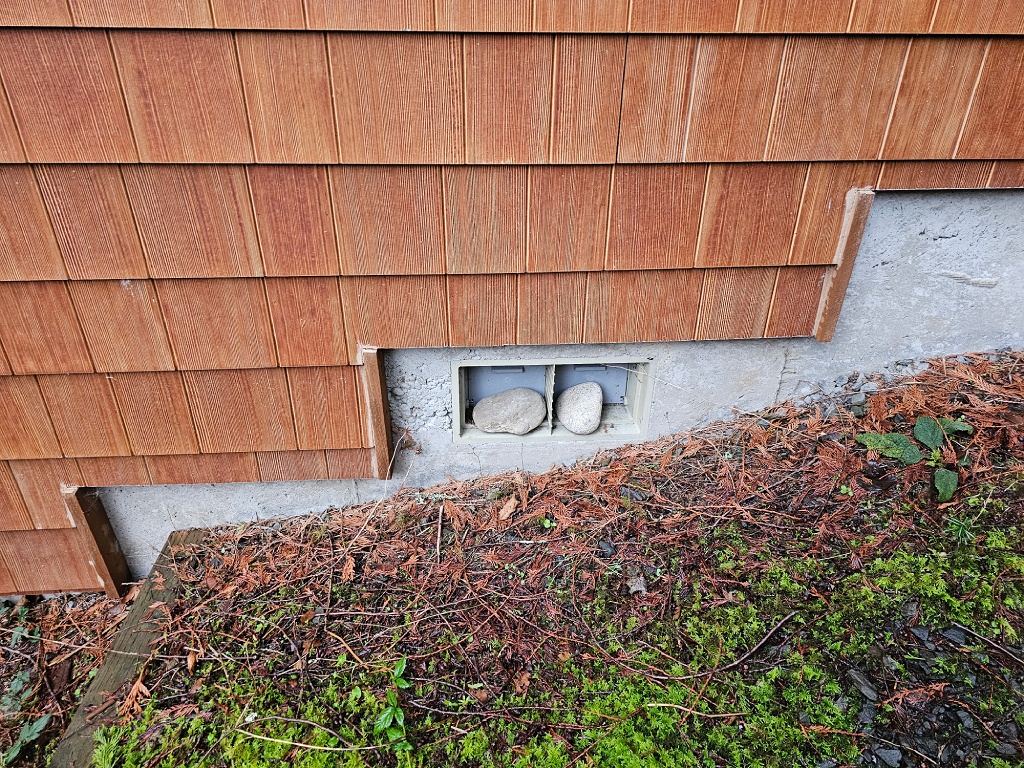
Seasonally blocking crawlspace vents has been passed down for decades. Every winter, big box stores sell pallet loads of foam blocks. The logic seems simple: block the cold air, warm the floor.
Building Science Has Evolved: From Ventilation Theory to Modern Crawlspace Insulation
Vented crawlspaces have been the dominant approach in the Pacific Northwest for over a century, relying on outside air to dilute moisture beneath the home.
In the late 1970’s, Washington State energy codes began refining the location of the home’s thermal boundary. Detailing varied widely and, in some applications, included foundation wall insulation combined with reduced venting. This approach was not typical statewide, and enforcement was inconsistent.
By the early 1990’s, defining the thermal barrier at the floor became more common. Floor insulation was introduced widely — often poorly installed, sagging, or not in full contact with the subfloor.
Insulation that is misaligned with the thermal boundary underperforms.
By 2010, Washington State energy standards strengthened significantly. Insulation thickness increased, air sealing became required, and independent verification testing was implemented. Further tightening occurred in 2016.
Homes with properly installed insulation and air sealing generally do not require seasonal vent blocking.
Generations of Habit
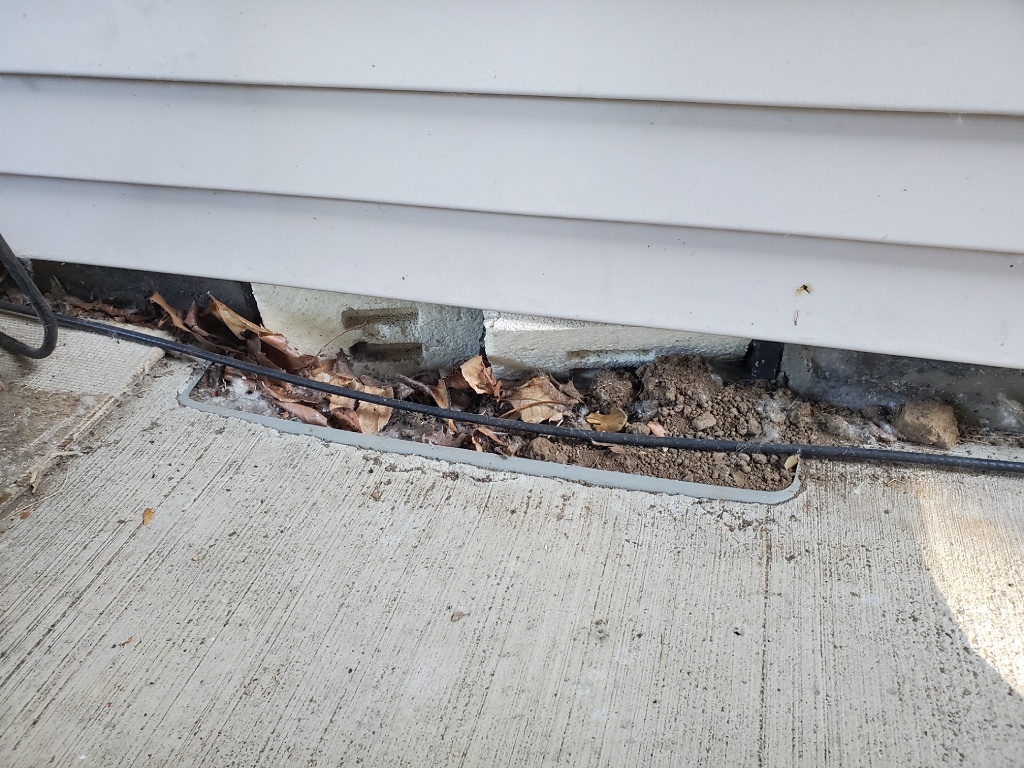 Many homeowners today grew up in houses where floors were under-insulated or poorly sealed. Blocking crawlspace vents became routine winter practice.
Millennials are following inherited maintenance patterns. Generation Z is growing up watching it continue.
Tradition often outlasts evolving building standards.
What Happens When Vents Are Blocked?
Blocking vents may reduce winter air movement, but in the Pacific Northwest it can also:
- Increase crawlspace humidity
- Raise indoor humidity through stack effect
- Create conditions favorable to mold and wood decay
- Reduce dilution of soil gases such as radon
The Physics of the Stack Effect: The temperature differential between a 70°F living room and a 40°F crawlspace creates pressure-driven air movement. Blocking vents doesn’t stop this pressure; it can result in stagnant, moisture-laden air being pulled into the home.
Vent blocking treats the symptom, not the cause.
When Does Blocking the Vents Make Sense?
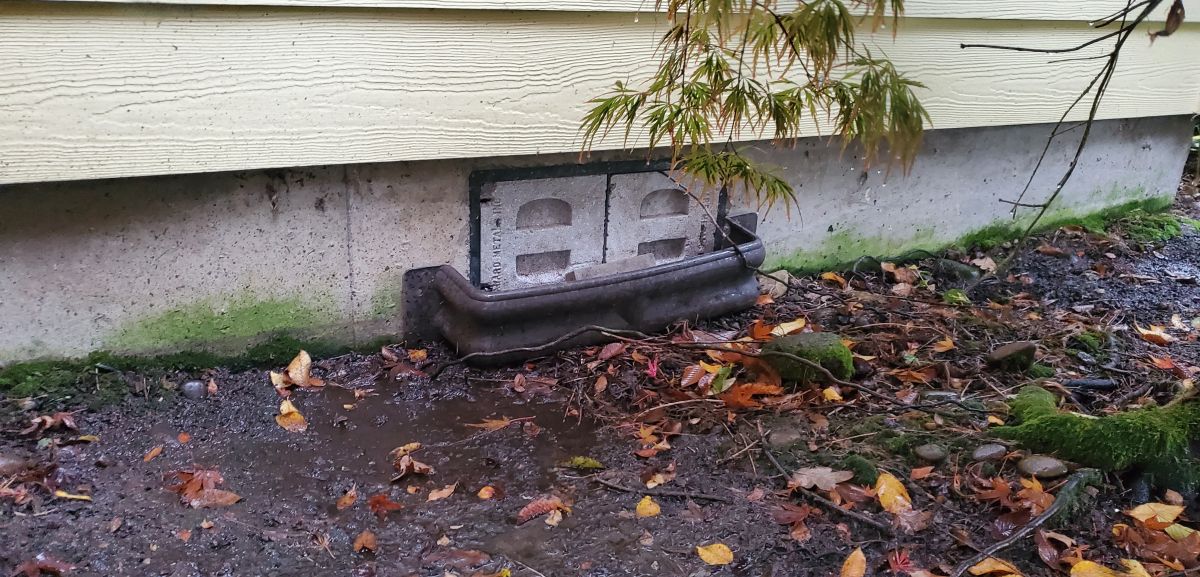
Short-term freeze protection in marginal designs may justify temporary restriction.
Permanent seasonal blocking does not replace:
- Proper floor insulation in full contact
- Sealed ground vapor barrier
- Rim joist air sealing
- Pipe insulation
Cold floors or freezing pipes indicate a thermal or air-sealing deficiency. The house is signaling that improvements to the thermal boundary can be improved.
Geek note: Floor insulation performs as intended only when in full contact with the subfloor. If there is a gap from sagging (common in older PNW homes) a convective loop can form. Air in the cavity warms against the floor, rises, then circulates back down, effectively reducing the insulation’s R-value.